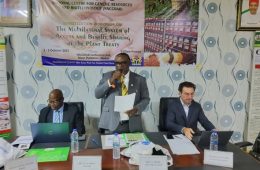
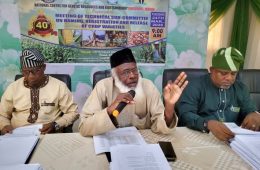
Nigeria has strengthened efforts to promote the implementation and use of the Multilateral System (MLS) of Access and Benefit-Sharing through a two-day capacity-building workshop jointly organised by the National Centre for Genetic Resources and Biotechnology (NACGRAB) and the Alliance Bioversity-CIAT.
The workshop, held from 2 to 3 October 2025 at the Conference Hall of NACGRAB, focused on strengthening national capacity to understand, implement and make effective use of the MLS established under the International Treaty on Plant Genetic Resources for Food and Agriculture (ITPGRFA).
Understanding the Multilateral System
The Multilateral System is a global mechanism established by the Plant Treaty to facilitate access to and exchange of plant genetic resources among participating countries.
Through the system, member countries can access a shared pool of 64 important food and forage crops for purposes such as research, breeding and training related to food and agriculture.
Access to a broad range of plant genetic resources is important for agricultural research and crop improvement. It enables scientists and breeders to work with diverse genetic materials that may contain valuable characteristics for improving agricultural productivity, nutrition and adaptation to changing environmental conditions.
Building National Capacity
The second capacity-building workshop was designed to strengthen the ability of relevant national organisations and stakeholders to implement and use the MLS effectively.
A key focus of the programme was to deepen participants’ understanding of the Plant Treaty’s MLS and its Standard Material Transfer Agreement (SMTA). The SMTA provides the framework through which genetic resources covered by the MLS are transferred and accessed under agreed terms.
The training was particularly relevant to scientists and other professionals involved in the use and management of Plant Genetic Resources for Food and Agriculture (PGRFA).
Broad Stakeholder Participation
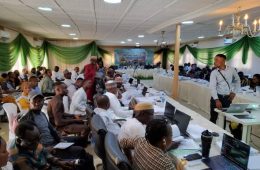
The workshop brought together stakeholders from different areas of Nigeria’s agricultural and genetic resources sectors.
Participants included:
- Plant breeders
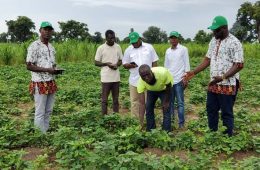
- Farmers
- Seed system experts
- Plant genetic resource specialists
- Genebank curators
- International partners
- Non-governmental organisations
- Members of the press
- Other relevant agricultural stakeholders
The diverse participation created an opportunity for stakeholders to share perspectives, identify implementation challenges and discuss practical approaches to strengthening Nigeria’s participation in the MLS.
Fast-Tracking Implementation in Nigeria
At the end of the two-day programme, stakeholders identified approaches for accelerating the approval and implementation of the Multilateral System of Access and Benefit-Sharing in Nigeria.
Participants recognised that effective implementation requires broader awareness and understanding of the Plant Treaty among organisations and groups involved in agriculture, research, education and policymaking.
One of the key recommendations was therefore to expand awareness activities to universities and other institutions of higher learning, agricultural extension organisations, agriculture-based research institutions, non-governmental organisations, farmers, policymakers and legislators.
Greater awareness among these groups will help stakeholders understand the opportunities offered by the MLS and their respective roles in supporting its implementation.
Strengthening Access to Plant Genetic Resources
The workshop represents another step towards strengthening Nigeria’s engagement with the Plant Treaty and improving national capacity to conserve, access and use plant genetic resources.
With continued collaboration among NACGRAB, Alliance Bioversity-CIAT, research institutions, farmers, policymakers and other stakeholders, Nigeria can build a stronger understanding of the MLS and create the institutional support required for its effective implementation.
The recommendations from the workshop provide a basis for continued engagement and awareness-building as Nigeria works towards greater participation in the global system for access and benefit-sharing of plant genetic resources.